 Proudly American

In this service
Tell us what changes when it rains
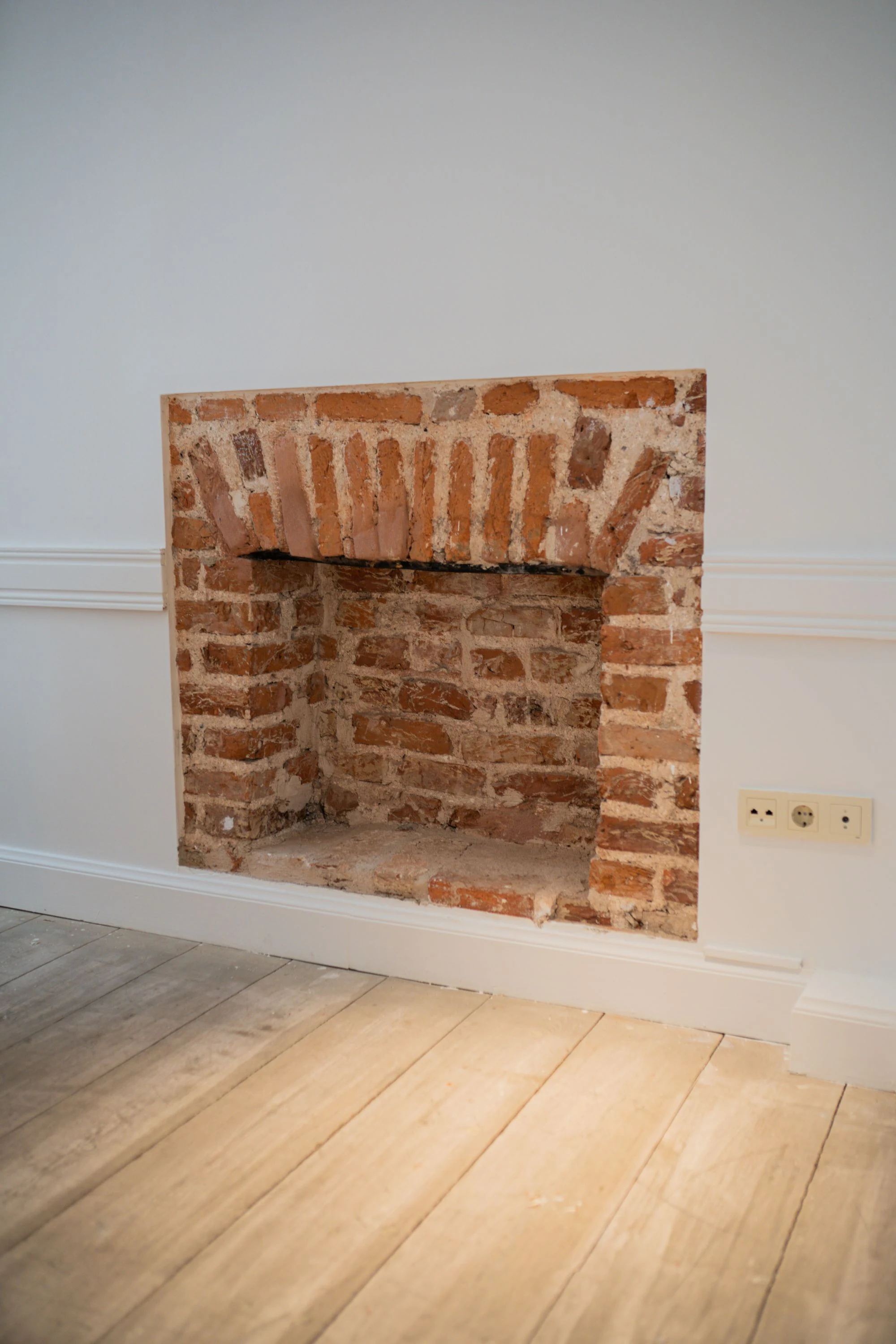
Note whether water reaches the hearth, appears on the ceiling beside the chimney, or leaves a mark inside the firebox. The timing matters too: during the rain, after it stops, or even in dry weather. A few observations from inside the home are useful. There is no need to climb onto the roof or recreate the leak yourself.
Separate the possible entry points
A chimney cap, a chase cover and roof flashing perform different jobs. Masonry joints and the crown can also require attention. The estimate should identify the affected component and explain how the proposed work relates to the symptoms. If a roofing or another specialist's assessment is needed, that boundary should be clear before work is agreed.
Ask what the repair includes
A useful scope says which parts will be repaired or replaced, what access is needed and how the result will be reviewed. Interior staining may need separate attention after the source is addressed. Rust or damaged firebox materials also deserve a service decision of their own; stopping visible water does not by itself establish that a fireplace is ready to use. Tell us if roof work, painting or an earlier chimney repair preceded the change. Those details help frame the assessment without assigning a cause in advance. Keep dates and existing invoices together so the proposed repair can be compared with what has already been done.